

Dr.Bhupesh Singh, Dr.Neha Bharti,Dr.Sudhank Bharti
No financial disclosures
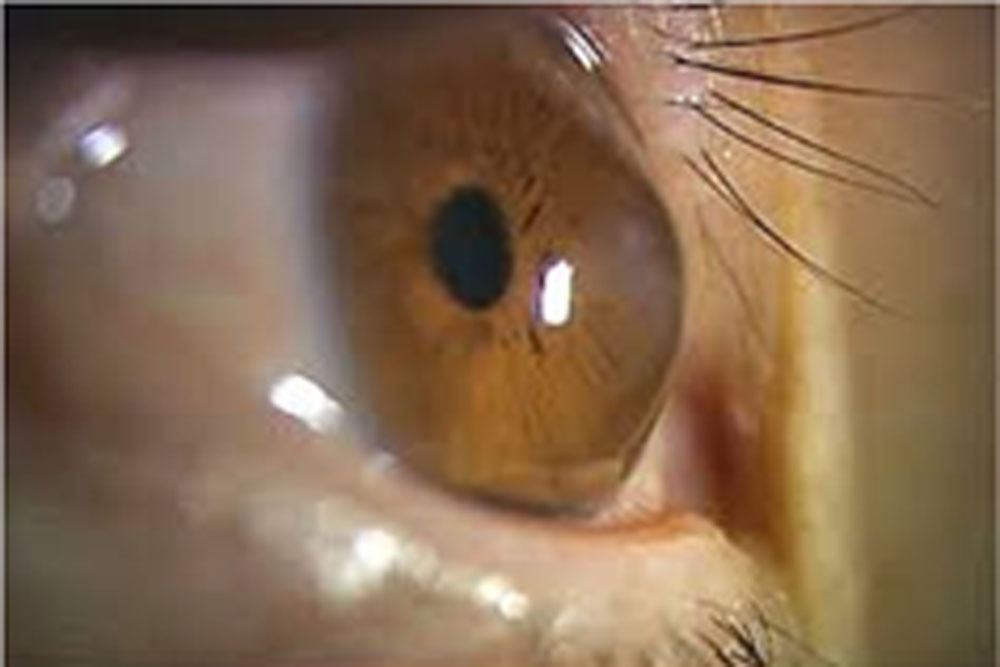
Keratoconus (KC) is a non-inflammatory corneal dystrophy resulting in progressive corneal thinning and steepening
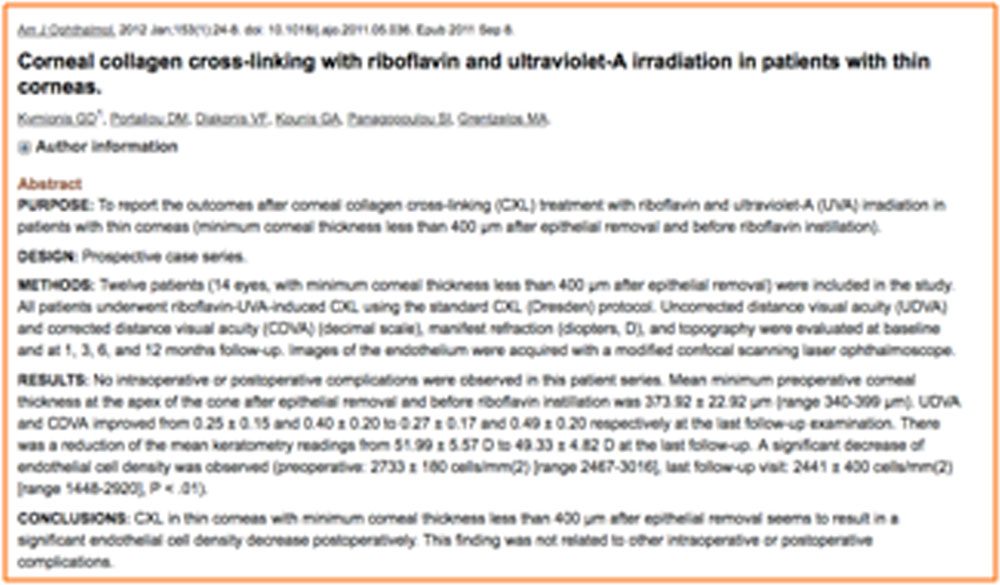
- Minimal corneal thickness of 400 μ following epithelial debridement
- This would limit the UV irradiance at the endothelial level to 0.18 mWcm2
- Patients with thinner corneas are not fit for traditional CXL
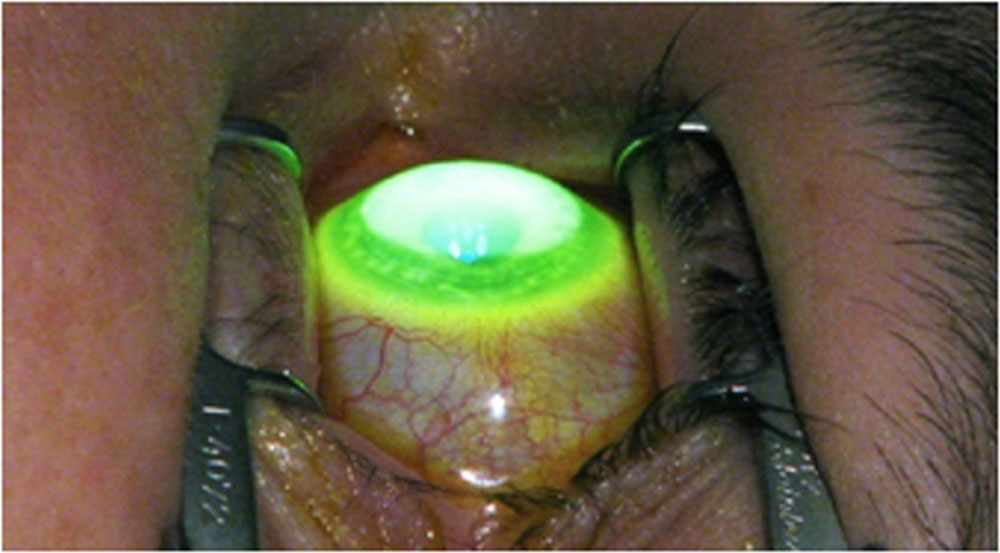
Options available for thinner cornea
- Epi On collagen cross linking: Efficacy was lower as compared to conventional treatment particularly in stabilizing or improving keratometry
- Iontophoresis: Noninvasive technique that allows trans-epithelial riboflavin penetration following application of a mild electric current
- Hypotonic riboflavin: Variable results in terms of efficacy
- Contact lens assisted CXL: An ultraviolet barrier-free soft contact lens(0.09-mm thickness, 14-mm diameter) soaked in iso-osmolar riboflavin 0.1% for 30 minutes was placed on the cornea
STROMAL LENTICULE ASSISTED COLLAGEN CROSS LINKING
Donor stromal lenticule, of known thickness
Cross-linking done after placing the donor lenticule on top of patient’s cornea
Lenticule was soaked in riboflavin solution for 5 min
After UVA exposure donor lenticule was replaced with BCL
DEMARCATION LINE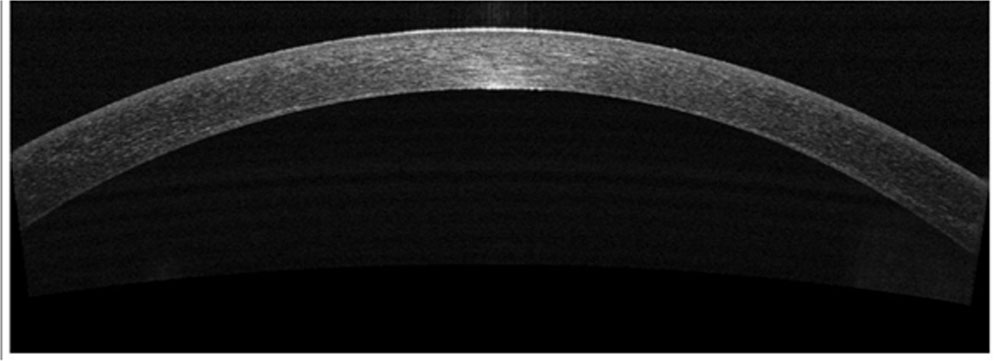
PURPOSE OF THE STUDY
To know the outcomes of donor stromal tissue lenticule assisted corneal collagen cross-linking in keratoconic eyes with pachymetry less than 400 microns
STUDY DESIGN
- Prospective interventional study
- Ethics committee approval taken
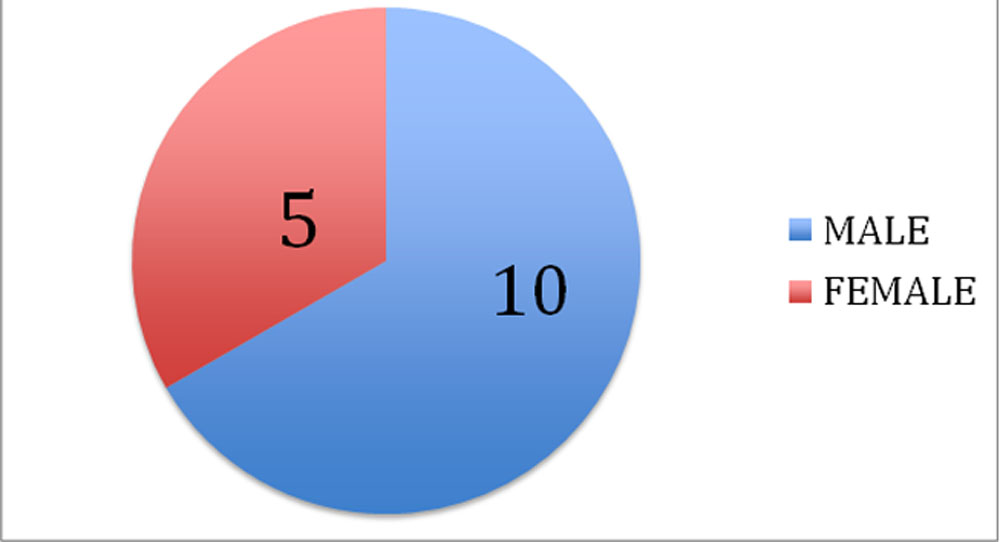
- 15 eyes of 15 patients were included in the study
- All the cases were done at single center and by single surgeon(BS)
- Corneal thickness between 350 to 400 micron
- Study period between October 2016 to June 2017
- Follow up period was 6 months till the time of submission of this paper, now all the patient have completed 1 year of follow up period.
METHODOLOGY
- Comprehensive ophthalmic examination was done
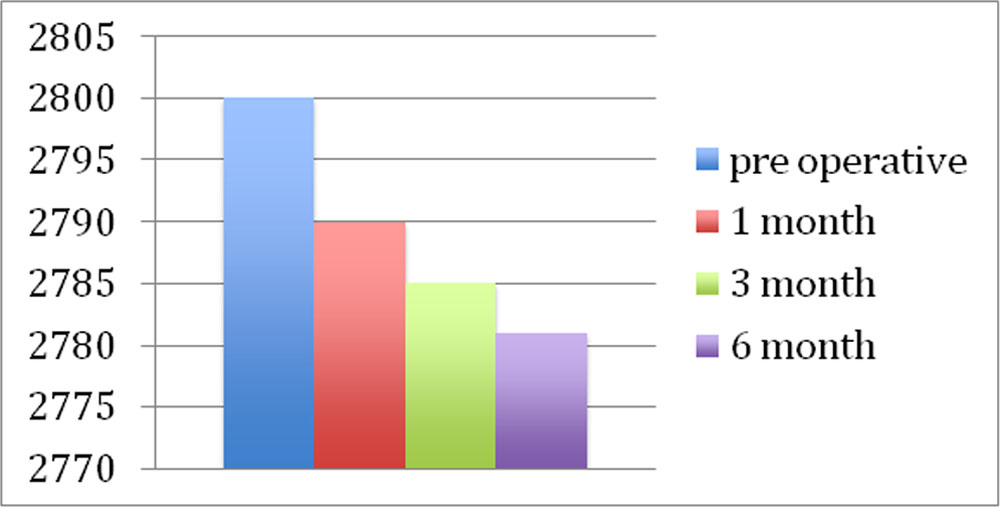
- The following parameters were evaluated pre-op and follow-up visits at 1, 3, and 6 month postoperatively
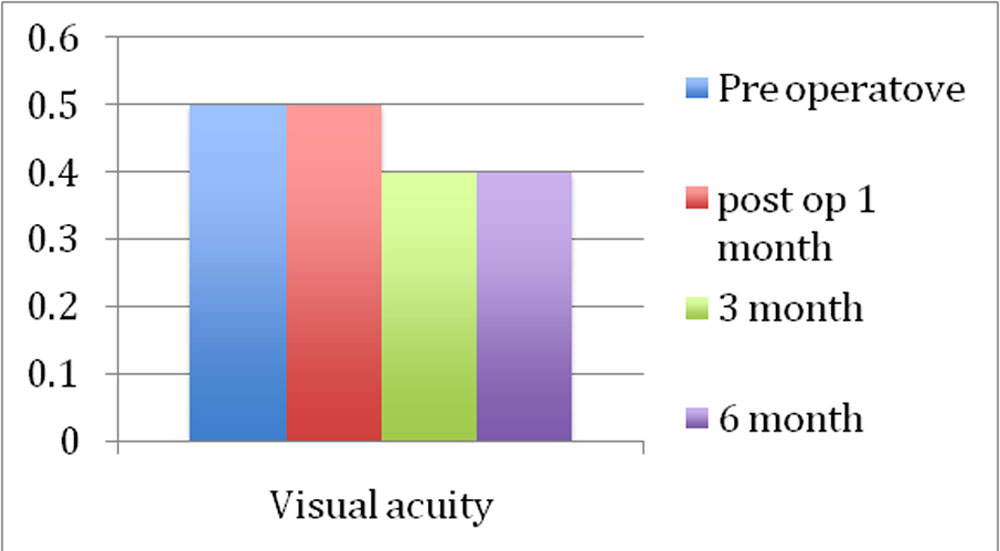
- Visual acuity
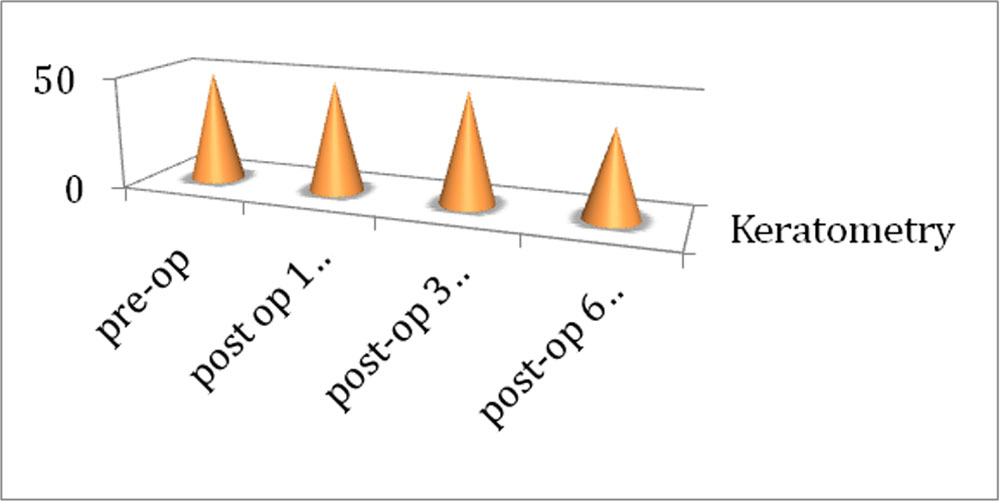
- Corneal Keratometry
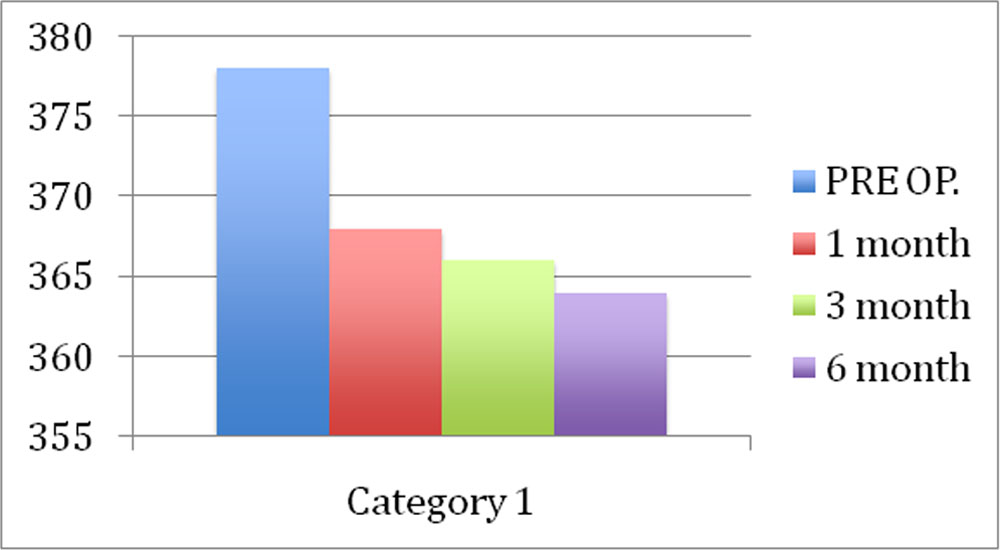
- Corneal thickness
- Endothelial cell counts
- Post op complications
- Statistical analysis was performed using SPSS 17.0 (SPSS Inc., Chicago, Illinois, USA).
- The significance of the change from Preop. to postop. was evaluated using the paired ?-test
Results
Post op complications
No major or significant post op complications were noted.
- They were quite similar to conventional collagen cross linking
- Post op haze seen similar to conventional CXL
Conclusion
- Long-term results are needed to validate the outcomes.
- Main limitation of this procedure is the availability of lenticule extraction laser system
- It can be a good option for those patients with thin cornea where Keratoplasty was the only option left.
- This is an innovative method of performing collagen cross-linking in thin corneas without any additional cost
Leave a Comment