

Dr. (Maj General) J K S Parihar
Abstract /Synopsis :
The study was aimed to evaluate various factors associated with IOL cracks during insertion by a single surgeon in 500 consecutive cases. Of these , 350 hydrophobic IOLs implanted through titanium screw pattern injector . Remaining 150 IOLs were hydrophilic and inserted through disposable injector system. 11 Hydrophobic & 8 Hydrophilic IOLs were found to have cracks .Of these , 2 Hydrophobic IOLs were found to have cracks in the haptics at the site of tips, 6 had cracks in the optics involving less than 2 mm. 3 IOLs were found to have large cracks in the optical zone hence essentially required IOL exchange by the same kind of IOL except in one case where multipiece IOL was used due to Intra op PCR . Over riding of plunger , entrapment of optic or undue pressure on haptics while insertion were possible factors. Partial entrapment of IOL in the cartridges resulted cracks in Hydrophilic IOLs. Reloading of IOL should be done in case of difficulty during IOL insertion.
Key Words :
IOL cracks, Intra op cracks in IOL implant ,IOL related per op complications
Evaluation of intra operative cracks in IOL
Introduction
Cataract surgery is the most common surgery carried out throughout the world. Complimented with intra ocular lens implantation it has been now a well recognized refractive procedure and making IOLs most frequently used surgical body implant.(1) Exponential evolution and advancement in surgery and its surgical outcome a substantial contribution is attributed to the IOLs which has evolved in design, material, biochemical and optical properties making it possible to achieve pre determined post operative outcome with fair accuracy. Since Harold Ridley introduced successful use of IOLs in 1949 which evolved from non Haptic disc designed PMMA (2)requiring a large corneo-scleral surgical wound to be secured with sutures to the present foldable VII generation designs intended to be implanted through as small as 2.2 mm to 1.8mm corneal incision, thereby further reducing iatrogenic interference with corneal optical properties. It not only restricts the confounding variable of large wound, suturing technique but also makes possible to successfully utilize the benefit of micro incision cataract surgery. The pre calculated predictability of the technique has left only few uncontrolled outcome determining factors, one of which is intra-operative accidents such as cracking of IOLs while implantation. Uncomplicated and controlled implantation of an IOL is the function of multiple physical factors inherent to the material of IOL and its physical interaction with forces generated while interaction with injector material friction, strain and compression. These variables are avoidable and preventable only if they are recognized well and the attributing factors are ascertained. In the present study 500 consecutive eyes underwent uncomplicated phacoemulsification with IOL implantation (350 were implanted Hydrophobic and 150 hydrophilic IOL) to determine the magnitude of intra operative IOL cracking and to determine the potential cause.
Material and Methods:
500 consecutive eyes were studied over 06 months at a cataract and refractive surgery unit in tertiary care centre in Northern India . 350 were implanted Hydrophobic acrylic single piece two haptic open loop designed IOL using titanium injector with threaded plunger and 150 of mono block plate loop design single piece hydrophilic IOL with disposable injector with push plunger. Both types of IOLs were injected through 2.8mm
Evaluation of intra operative cracks in IOL
corneal incision with wound assisted approach. The intra op complication of cracked IOLs was determined. To avoid any bias all cases were operated by a single surgeon with similar phacoemulsification technique and supero-temporal clear corneal approach. Chondritin sulphate 1.4 was utilized for pre implantation capsular bag distension and 2% HPMC was used to prime the cartridge prior to engaging or folding the IOL in all cases. 11 mm angled Macpherson forceps was used for handling and picking the IOL from its pack both haptics folded over the optic prior to engaging the cartridge in the injector. Similar external lighting condition was maintained in operating room throughout the study. Chi square test has been employed to determine the significance value of variables leading to IOL cracks while implantation.
Results:
Among the 350 consecutive cases undergoing eventless phacoemulsification of nucleus and cortical aspiration 2.2% (11cases) developed an IOL crack when implanted hydrophobic IOL of same make. Similarly 150 uncomplicated phacoemulsification cases with hydrophilic IOL implantation witnessed 5.3% (8 cases) IOL crack incidents. The analysis of the causes of hydrophobic IOL cracks revealed entrapment in cartridge (36.4%), over riding of plunger (54.5%) and entrapment in wound in 9% cracked IOLs. The causes in hydrophilic IOL cracks were also the same; 75% due to entrapment in cartridge and 25% due to overriding of plunger. No incident of wound entrapment of IOL optic was witnessed among hydrophilic IOLs. Hydrophobic IOLs had optic crack in 54.5% (6 cases), haptic tip crack or break in 18% (2 cases), haptic optic junction in 9% (1 case) and combined optic & haptic break in 18% (2 cases). Hydrophilic IOLs had lower incidence of optic crack (37.5%) and combined optic & haptic break in 18% cases, whereas had higher incidence of haptic tip crack or break in 25%, haptic optic junction
in 25% cases. Deducing the causes of IOL cracks among Hydrophobic lenses injected with titanium screw type injector 45% of optic cracks were caused by overriding of plunger which was commonest accident (54.5%); haptic tip was broken due to equal incidence of overriding of plunger (50%) and entrapment in cartridge (50%). Combined haptic and optic cracking was 100% due to entrapment of IOL in cartridge. Cracking at haptic optic junction was also due to entrapment of IOL in corneal phaco wound in
Evaluation of intra operative cracks in IOL
100% cases. Among hydrophilic IOLs optic crack was always caused by entrapment of IOL in cartridge, whereas haptic tip was cracked or broken equally by entrapment in cartridge and overriding of plunger. Similarly haptic optic junction cracks were also equally contributed by these causes (50% each). Combined haptic optic crack in hydrophilic IOLs was seen with entrapment of IOL in cartridge.
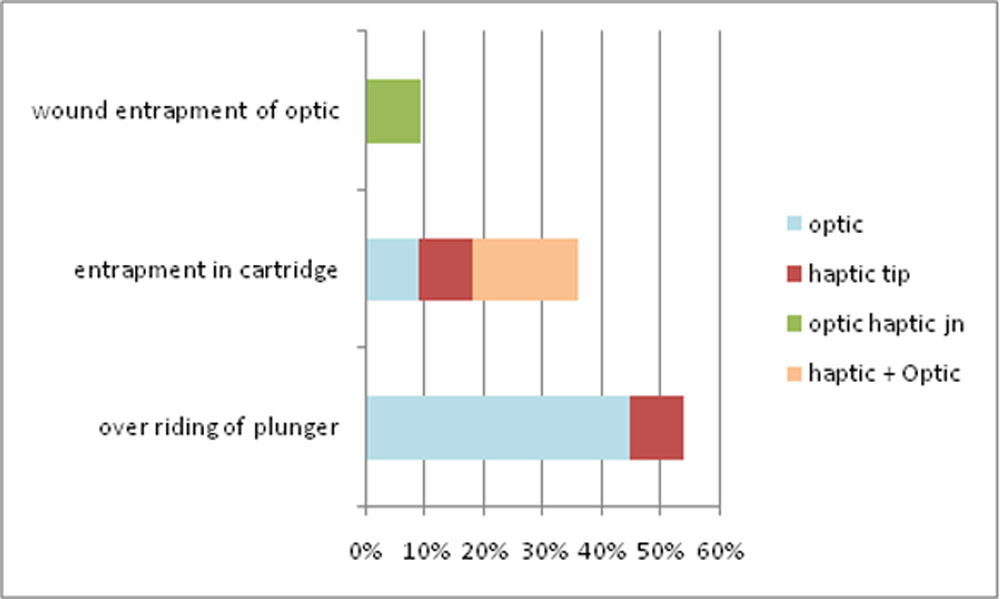
Fig 1: Causes of IOL crack in Hydrophobic IOLs
Evaluation of intra operative cracks in IOL
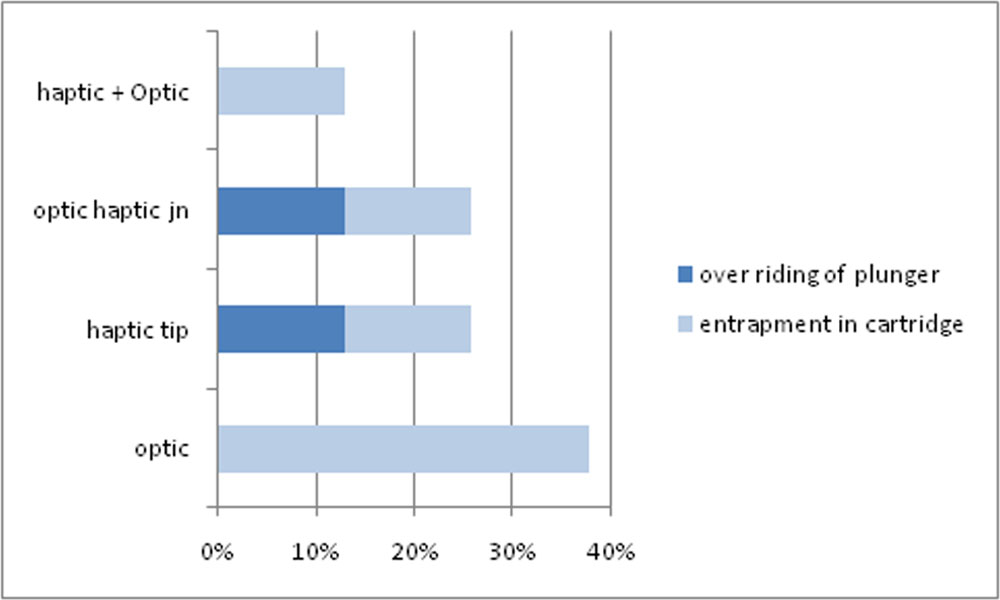
Fig 2: Causes and mode of Hydrophilic IOL Crack
Discussion:
In the past 7 decades the IOL designs and materials have seen VII generations of evolvement, each new generation has been a step forward keeping in view increased patient safety, better visual outcome, ease of surgical implantation & handling and longevity of uncomplicated stable profile. In the present day with possibility of micro incision phacoemulsification techniques single piece foldable designs is the choice in almost all uncomplicated cases. Presently hydrophobic acrylic, hydrophilic acrylic, hydro gel and silicone are the materials of IOL which offers characteristic property to get folded, accommodated within the cartridge of small dimensions and unfolded back to its original shape once inside the eye. Long term stability of the IOLs is attributed to its relatively inert nature to uveal and capsule tissue, good material memory. With the decline in the use of silicon IOL, the Acrylic IOLs are dominating the choice of surgeons. (3). Hydrophilic acrylic material containing high water content possibly causes high PCO rates (4)but is less attacked with uveo-genic cellular reaction (5-7)as compared to low water containing hydrophobic acrylic IOLs. Hydrophobic acrylic material being of high
Evaluation of intra operative cracks in IOL
refractive index produces dysphotopsias (8) and glistenings (9). Choice of one of these issurgeon’s choice based on clinical judgment and their experience of its outcome. Till
date there has been no prospective comparative study published on intra operative IOL cracking comparing different type of lenses, though few cases reports of acrylic IOL crack while folding with forceps (10-11) and cartridge crack (12) has been reported. Studying the differences of incidents and factors leading to intra-op IOL crack in the present study cracking was detected more in cases of Hydrophobic IOLs (p>0.5) with higher rate of optic fracture or crack alone (p>0.5) or combined with haptic break (p>0.5). Overriding of the plunger has emerged as commonest cause of the hydrophobic IOL break (p>0.5) which may be attributed to the hardness of the metal plunger, higher rigidity of the lens material which is further increased by virtue of added blue blacking filter. Optic was the commonest site of these cracks in hydrophobic lenses which corroborates with similar finding in Li at el which studied stress fractures among hydrophobic lenses.(13)Incidents of optic crack were lesser among hydrophilic IOLs, though optic was the commonest part to get cracked. And the optic crack in hydrophilic lenses was always caused by entrapment of IOL in the cartridge. The entrapment of hydrophilic IOL may be caused due to thick configuration of the optic and larger bulk of block haptics. Among all the cases across both the type of IOLs entrapment of the lens in the cartridge has been deducted as a major cause of IOL damage during implantation (p<0.5). Therefore choice of IOL, critical importance of loading technique, behavior of lens during moulding within the cartridge and appropriately matched cartridge caliber are the factors to consider for eventless uncomplicated cataract surgery outcome.
References:
1.www.businessinsider.com/the-11-most-implanted-medical-devices-in-america-2011-7
2.Apple DJ. Sir Harold Ridley and His Fight for Sight: He Changed the World So That We May Better See It. Thorofare, Slack Inc.,new jersey, USA. 2000
Evaluation of intra operative cracks in IOL
3.Leaming DV. Practice styles and preferences of ASCRS members-2003 survey. J Cataract Refract Surg. 2004;30:892-900.
4.Findl O, Leydolt C. Meta-analysis of accommodating intraocular lenses. J Cataract Refract Surg. 2007;33(3):522-527.
5.Results of hydrophilic acrylic, hydrophobic acrylic, and silicone intraocular lenses in uveitic eyes with cataract: comparison to a control group.Abela-Formanek C, Amon M, Schauersberger J, Kruger A, Nepp J, Schild G.J Cataract Refract Surg. 2002 Jul; 28(7):1141-52.
6.Abela-Formanek C, Amon M, Schild G, Schauersberger J, Heinze G, Kruger A. Uveal and capsular biocompatibility of hydrophilic acrylic, hydrophobic acrylic, and silicone intraocular lenses. J Cataract Refract Surg. 2002;28:50-61.
7.Abela-Formanek C, Amon M, Schild G, et al. Inflammation after implantation of hydrophilic acrylic, hydrophobic acrylic, or silicone intraocular lenses in eyes with cataract and uveitis: comparison to a control group. J Cataract Refract Surg. 2002;28:1153-1159.
8.Rbowitz MA, Zabriskie NA, Crandall AS, et al. Visual complaints associated with the AcrySof acrylic intraocular lens. J Cataract Refract Surg. 2000;26(9):1339-1345.
9.Glistenings in a large series of hydrophobic acrylic intraocular lenses. Colin J, Orignac I, Touboul D. J Cataract Refract Surg. 35(12); 2009: 2121-26.
10.Cracking of acrylic intra ocular lenses during capsular bag insertion. Bee JA.Ophthalmic Surgery, Lasers and Imaging Retina. 1996;27(4):327.
11.Cracked acrylic intra ocular lens requiring explantation. Lee GA. Clinical Exp Ophthal. 1997;25(1):71-73.
Evaluation of intra operative cracks in IOL
12.Cracked cartridges during foldable intra ocular lens implantation. Habib NE.J Cataract Refract Surg.1996;22(5):630-632.
13.Prospective evaluation of intraoperative intraocular lens stress fracture during cataract surgery.Li B, Lin T, Tokarewicz AC. J Cataract Refract Surg.2015;14(11):2403-2409.
Leave a Comment